

 Deutsch
  Italiano
 Packaging Recyclability under PPWR
Is your packaging at least 70% recyclable?
Meet the PPWR recyclability requirements and benefit from lower Eco-modulated EPR fees.
Is your packaging at least 70% recyclable?
- Recyclability becomes a legal requirement under PPWR
- Non-recyclable packaging risks EU market access
- Poor recyclability results in higher EPR fees
- Compliance requires documented, defensible assessments
- Packaging decisions today determine future costs and risks
WHY RECYCLABILITY
Assessment Matters Now
Under the EU Packaging and Packaging Waste Regulation (PPWR), recyclability is no longer optional. It is a legal obligation tied directly to cost exposure and market access.
Article 6 requires packaging to:
- Be designed for recycling
- Meet harmonised EU recyclability criteria
- Be recyclable at scale through established collection, sorting, and recycling systems
- Packaging will be classified into A / B / C recyclability classes impacting the Eco-modulated EPR fees
Recyclability must be assessed and documented for:
Technical documentation -> EU Declaration of Conformity -> EPR reporting
Until EU-wide criteria are fully implemented, national methodologies such as the German Mindeststandard serve as recognised benchmarks.
Why Higher Recyclability Is a Must
Recyclable packaging is not just about sustainability, it is a financial and strategic advantage.
Eco-modulated EPR fees reward recyclable packaging
Better design reduces long-term EPR costs
High recyclability ensures EU-wide market access
Circular packaging strengthens supply-chain resilience.
How to Ensure PPWR-Compliant Recyclability
PPWR compliance requires a clear, structured process.
Step 1: Define Packaging Data
Capture accurate material, component, and weight data
Step 2: Assess Recyclability
Evaluate packaging against PPWR-aligned recyclability criteria
Step 3: Identify Non-Compliance
Detect design or material issues impacting recyclability.
Step 4: Define Improvement Actions
Receive design-for-recycling recommendations to improve performance
Step 5: Document and Verify
Generate structured documentation and VerpackG-certified assessments where required.
Step 6: Improve Performance and Reduce Costs
Optimised packaging improves recyclability class and lowers EPR fees. Visual: Packaging Data → Online Analysis → Score → Recommendations → Certification
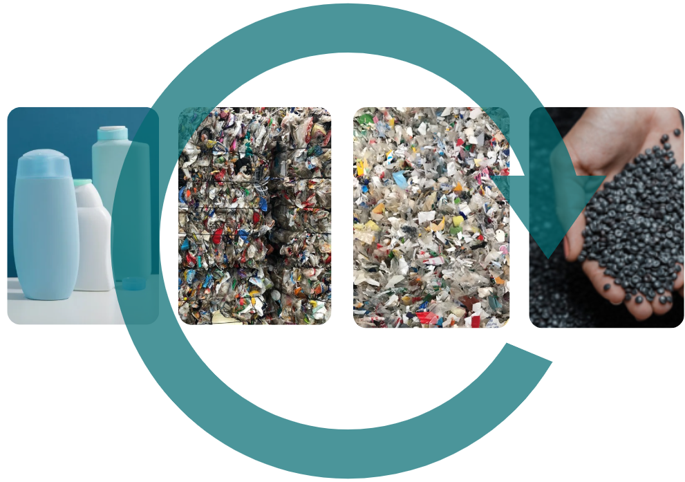
How PackIntelX Supports You – Digital Tools
PackIntelX converts PPWR recyclability requirements into a scalable digital workflow — without requiring in-house expertise.
What the Platform Enables
- PPWR-based recyclability analysis – Assess packaging across 22 material categories aligned with PPWR.
- Fast online analysis – No specialist knowledge needed; structured logic ensures consistency.
- Bulk portfolio assessments – Upload data via Excel or SAP to analyse entire portfolios.
- Actionable insights – Clear recyclability scores, compliance risks, and improvement actions.
- Audit-ready reporting – Generate structured reports for authorities, EPR schemes, customers, and internal teams.
Certification & Consulting
Digital analysis alone is not always sufficient. Certain decisions require expert validation and certification
Certified recyclability assessments under VerpackG
Design and material optimisation consulting
Cost vs recyclability optimisation
EU-wide eco-modulated EPR fee consulting
Free PPWR Preparation Guide
Download a practical PPWR preparation guide for: Brand Owners, Manufacturers, Importers, and Distributors
The Guide Covers
- Roles and obligations of economic operators
- Key PPWR Articles: 5–12, 24, 26
- 3 steps to EU Declaration of Conformity
Free PPWR Preparation Guide
Download a practical PPWR preparation guide for: Brand Owners, Manufacturers, Importers, and Distributors
The Guide Covers
- Roles and obligations of economic operators
- Key PPWR Articles: 5–12, 24, 26
- 3 steps to EU Declaration of Conformity
Frequently Asked Questions - Packaging Recyclability & PPWR
The ability of packaging to be collected, sorted, and recycled at scale under EU criteria.
Through documented recyclability assessments and conformity documentation.
Fees adjusted based on recyclability performance.
Independent auditors verify recyclability under German law.
A recognised German recyclability benchmark used until EU criteria apply.
By following design-for-recycling principles and compatible materials.
All businesses placing packaging on the EU market.