
PFAS and Heavy Metals Compliance for Packaging
Simplify chemical compliance for packaging placed on the EU market. Collect supplier data, manage declarations, and maintain audit-ready documentation with structured workflows designed for modern packaging compliance.

Need an EU Declaration of Conformity? Get Expert Support Now
Audit-ready documentation, prepared by regulatory experts.
WHAT PFAS AND HEAVY METALS COMPLIANCE
MEANS FOR PACKAGING?
For businesses placing packaging on the EU market, managing PFAS chemicals and heavy metals is becoming an important part of packaging compliance as per the PPWR!
– Supplier declarations and material disclosures
– Compliance Documentation and Regulatory Documentation
– Visibility into restricted substances
– Stronger supplier compliance processes
Who Needs to Manage Chemical Compliance?
Access a practical guide designed to help businesses understand evolving PFAS regulations and packaging obligations across the EU market.
The guide includes:
Brand Owners
Packaging Manufacturers
Importers
Retailers & E-commerce
Packaging Suppliers

PPWR Laboratory Testing Services
Ensure compliance with Article 5 of the PPWR with coordinated laboratory testing through PackIntelX and our accredited testing partner.
We manage the testing process for you and provide a single point of contact from sample submission through to the final test report.
Efficient Testing for Similar Materials
Where technically appropriate, up to three comparable materials, such as similar plastic films, may be combined into one composite sample to help optimize testing efforts and costs.
Request a Quote
Tell us which packaging materials you would like to test and the number of samples. We will review your requirements and provide you with a tailored quotation and the next steps for sample submission.
Heavy Metals Testing
Targeted PFAS Analysis & PFAS Screening
Total Fluorine Analysis
Selected option
Expert Consultation
1 Hour > 249€
How PFAS & Heavy Metal Compliance Works
Collect supplier declarations, material specifications, chemical disclosures, and supporting evidence required for PFAS compliance
Analyse if the packaging have the presence of PFAS and Heavy Metals, with dedicated lab tests and expert assessment.
Assess restricted substances, review documentation, and organise compliance documentation required for packaging placed on the EU market
Create and maintain the audit-ready technical documentation as per the Annex VII of the PPWR, along with the test reports.
WHAT PPWR ARTICLE 5 &
ANNEX VII REQUIRE
Under Article 5 of the PPWR, businesses need to demonstrate compliance with applicable substance requirements, including PFAS and heavy metals. The supporting test results and compliance evidence can then form part of the technical documentation required under Annex VII
– PFAS and heavy metals test evidence
– Packaging material and supplier data
– Technical documentation under Annex VII
– Support for the EU Declaration of Conformity
Why Chemical Compliance Matters?
Often referred to as “forever chemicals” or “Substances of concern”, PFAS and Heavy Metals are facing stricter regulatory scrutiny. As the PPWR regulation continues to evolve, businesses must maintain organised records and improve supplier transparency to ensure long-term compliance.
Reduce Regulatory and Compliance Risk
Improve Supplier Transparency and Visibility
Prepare for Increasing Regulatory Audits
Support Long-Term EU Market Access
Simplify Chemical Compliance Workflows
Better supplier visibility. Stronger documentation. Faster compliance readiness.
Supplier Data Collection
Collect supplier declarations, material disclosures, and PFAS declaration records through structured workflows that simplify supplier compliance management.
Test reports and Evidence on PFAS and Heavy Metals
Ensure compliance with Article 5 of the PPWR with proper documentation, evidence and supplier records.
Digitalized Compliance Workflows
Digitalize the workflow to manage supplier communication, documentation requests, and internal reviews more efficiently.
Audit-Ready Records with PackIntelX Platform
Maintain organised records that are easier to review during audits, inspections, and regulatory assessments as PFAS regulations continue to evolve.
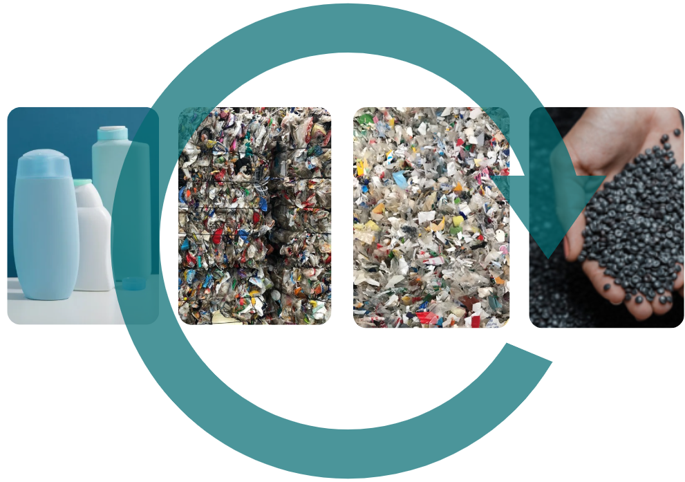
packintelx cooperates with sgs institute fresenius
In Partnership with
SGS Institut Fresenius
Together with SGS Institut Fresenius, a global leader in laboratory testing and certification, we deliver the scientific evidence and regulatory expertise needed to demonstrate compliance with PPWR substance restrictions.
We collaborate in:
- Trusted analytical testing for PFAS and heavy metals
- Support for PPWR Article 5 compliance obligations
- Scientific evidence backed by accredited laboratory methods
- Packaging compliance assessments and regulatory interpretation
- Automated EU DoC and Technical documentation
- A single point of contact for testing, compliance, and data management
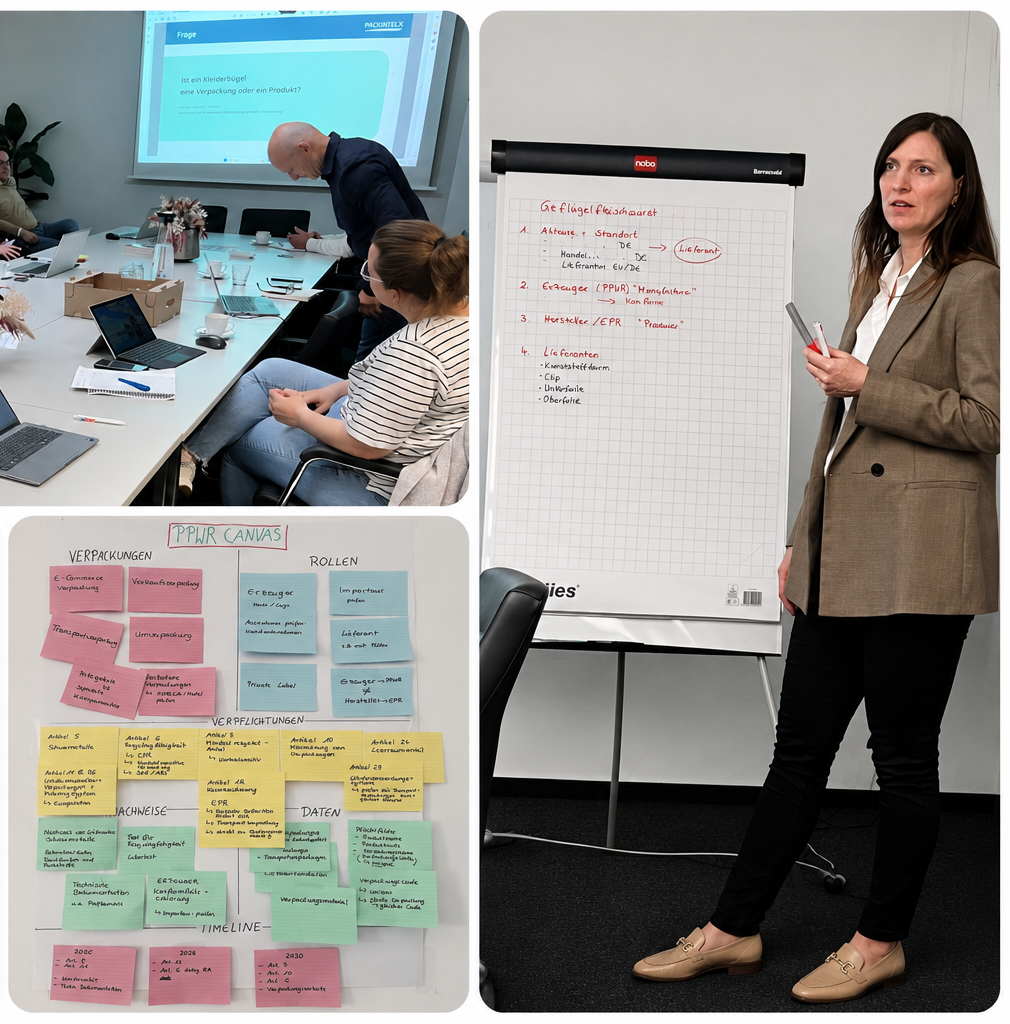
PPWR Workshops
Book our detailed workshop to gain understanding on:
- PPWR roles and obligations
- Technical Documentation & EU DoC process
- EPR obligations under the new producer definition
- Practical PPWR compliance roadmap
- PFAS and Heavy Metals Requirements
- Industry examples and implementation-focused guidance
Compact Workshop
(2 hours, online)
Detailed Workshop
(1 day, onsite)
Detailed Workshop
(5-6 hours, online)
Workshop for associations/group of companies
Selected option
Expert Consultation
1 Hour
Frequently Asked Questions
PFAS chemicals are synthetic substances commonly used in food packaging because they resist grease, moisture, and heat. Due to their persistence in the environment, they are often referred to as 'forever chemicals'.
PFAS regulations are becoming stricter because of growing environmental and health concerns linked to long-term chemical exposure. Regulatory authorities across Europe are increasing their focus on reducing PFAS use in packaging and food contact materials.
PFAS compliance involves maintaining supplier declarations, material disclosures, supporting evidence, and compliance documentation that demonstrate packaging aligns with applicable PFAS standards and regulatory expectations.
Supplier compliance is important because suppliers provide the material data and supporting evidence required for regulatory documentation. Without accurate supplier information, businesses may struggle to validate packaging requirements during audits.
Compliance documentation may include supplier declarations, material specifications, PFAS testing records, chemical disclosures, and internal compliance records that support packaging compliance processes.
PFAS restrictions refer to regulatory measures designed to limit or control the use of PFAS substances in packaging and other products. PFAS regulations in Europe continue to evolve as chemical compliance expectations increase.
A PFAS Declaration is a document that provides information about PFAS content, material composition, or compliance status within packaging materials and food contact materials.
PFAS testing helps businesses identify whether restricted substances may be present in packaging materials. Testing can strengthen compliance documentation and support better supplier compliance processes.
As PFAS regulations continue to evolve, businesses may face increasing pressure to improve documentation, strengthen supplier transparency, and maintain organised records that support long-term packaging compliance.
PackIntelX helps businesses collect supplier data, organise regulatory documentation, and improve visibility across packaging supply chains through structured compliance workflows.