Quick answer: Eco-modulation means your EPR fee is not one flat rate. It changes with how your packaging performs on criteria such as recyclability. Easier-to-recycle packaging usually pays less, and in some systems harder-to-recycle packaging pays more. Each country’s system sets its own criteria and rates.
Key takeaways
- Eco-modulation ties the fee to the packaging itself, not just to its weight.
- Recyclability is the most common criterion, but others, such as recycled content, can also play a role.
- Each EPR system sets its own criteria, categories and rates, so the same pack can be charged differently from country to country.
- To use eco-modulation to your advantage, you need good packaging data: material, format and components.
- It is an incentive to improve design, not a promise of lower costs.
If you are new to EPR, start with our guide EPR System Explained. This article zooms in on one part of it: how the fee you pay can change with the packaging you sell.
What is eco-modulation?
Eco-modulation, also called fee modulation, is a way of setting EPR fees so that they reflect how good or bad a packaging design is for the environment. Instead of charging the same rate for every pack of a material, the system adjusts the rate depending on criteria it has chosen.
The idea is simple: if better packaging costs less, producers have a reason to improve their designs. You will also see the results called eco-modulated fees.
How does eco-modulation work in practice?
The details differ from system to system, but the steps usually look like this:
- The EPR system decides which criteria matter and which fee rate belongs to each category.
- Your packaging is placed in a category, based on data such as material, format and components.
- You report your packaging and the system applies the matching rate.
- You pay the resulting fee, usually to the producer responsibility organisation (PRO) or the system in that country.
If you want to know who a PRO is and what it does, read our simple guide to PROs.
Which criteria can change the fee?
Systems choose their own criteria. The most common ones are:
- Recyclability: how easily the packaging can be collected, sorted and recycled
- Recycled content: how much of the material is recycled
- Reuse and refill: whether the packaging is designed for more than one use
- Design features: things that make sorting or recycling harder
- Substances of concern: whether the packaging contains certain hazardous substances
Does eco-modulation mean higher fees?
Not necessarily. The usual aim is a lower fee for packaging that is easier to recycle. Some systems also charge more for packaging that is harder to recycle. People often call these a bonus and a malus.
Whether your fee goes up, down or stays the same depends on your packaging and on the system you pay into.
A simple example
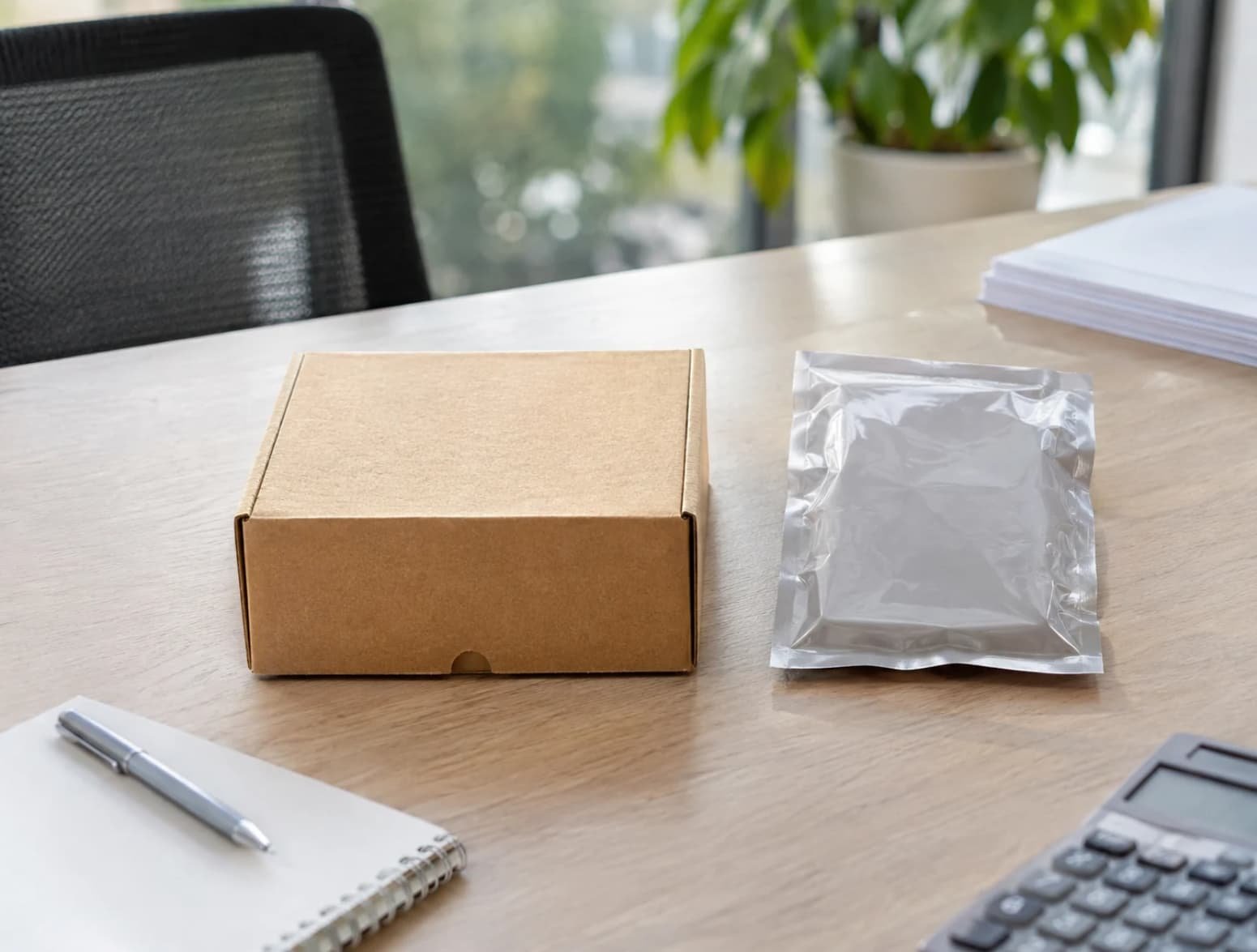
Take two products of the same size and weight, sold in the same country. Product A comes in a single-material pack that the system classes as easy to recycle. Product B comes in a multi-layer pack that the system classes as harder to recycle.
Under a flat per-kilogram rate, both packs would pay the same. With eco-modulation, Product A falls into a lower-fee category and Product B into a higher one. The weight is the same, but the fee is not. This is an illustration only, not real rates.
Why can the same pack be charged differently in each country?
| What can differ | Why it matters |
| Criteria | One system may focus on recyclability, another may add recycled content |
| Categories | The same pack may sit in different categories in different systems |
| Rates | Each system sets its own rate for each category |
| Data requested | Systems ask for different levels of packaging detail |
That is why multi-country companies need to check each system separately. For one national example, see how Germany’s packaging act points toward eco-modulated fees. Our EPR country guides show how EPR works in each market.
What packaging data do you need?
To see how eco-modulation affects you, you need clean data for each pack:
- Packaging type and format
- Material and composition, including layers and components
- Weight
- Recycled content, where relevant
- The supplier or source of the packaging data
Missing or inconsistent data is a common reason companies struggle to see what drives their fees.
What can companies do about it?
- Get your data in order. Keep material and component data for each pack in one place.
- Check how each of your countries categorises packaging. The same pack may land in different categories.
- Talk to design and procurement. Recyclability is often decided early, long before fees are paid.
- Compare before you change. A design change may lower a fee but affect product protection or cost elsewhere.
Common misunderstandings
“Eco-modulation is a new tax.” No. It changes how the EPR fee is calculated. It is not a separate charge.
“Better recyclability always means a lower fee.” Only if the system’s criteria and categories reward it. Check how your system works.
“One country’s grading applies everywhere.” Each system sets its own rules, so the same pack can be classed differently.
“It guarantees better packaging.” It is an incentive. How much it changes design depends on the size of the fee difference and on other factors, such as product protection.
Where PackIntelX fits
PackIntelX is not a PRO and does not collect fees. Our PPWR digital solutions include recyclability analysis and an eco-modulated EPR fee calculation, so you can see how your packaging data feeds into fees. For your EPR tasks across several countries, see our EPR compliance page.
Not sure which systems apply to you, or how your packaging is likely to be assessed? Tell us what you sell and where, and we will point you to the next steps. Book a consultation.
Frequently asked questions
What is eco-modulation?
Eco-modulation is a way of setting EPR fees so that they change with how well a packaging design performs on criteria such as recyclability. Better-performing packaging usually pays less, and some systems charge more for packaging that is harder to recycle.
What are eco-modulated fees?
Eco-modulated fees are EPR fees that are adjusted according to the packaging’s characteristics, rather than being one flat rate per material or per kilogram.
Does eco-modulation always mean higher fees?
No. The usual aim is a lower fee for packaging that is easier to recycle. Some systems also charge more for packaging that is harder to recycle. The result depends on your packaging and on the system.
Which criteria can change an eco-modulated fee?
Common criteria include recyclability, recycled content, reuse and refill, design features that affect recycling, and substances of concern. Each system chooses its own.
Is eco-modulation the same in every country?
No. Each EPR system sets its own criteria, categories and rates, so the same pack can be charged differently from country to country.
How can I prepare for eco-modulation?
Start with your packaging data: material, format, components and weight for each pack. Then check how each of your countries categorises packaging and which criteria it uses.
Is eco-modulation a tax?
No. It is a way of setting EPR fees, which are paid to the PRO or system. It is separate from taxes.
This article gives general information and is not legal advice. Rules differ by country and can change.